☞ Click any year to continue


1936
Behind the Façade

Germany & The National Story
German troops reoccupy the Rhineland in defiance of the Treaty of Versailles, marking Hitler's first major challenge to the postwar order.
Britain and France choose not to respond militarily, convincing Hitler that the Western democracies are unlikely to challenge his growing ambitions.
The Berlin Olympic Games showcase a carefully staged image of a peaceful, modern Germany while the Nazi regime temporarily conceals much of its persecution of Jews from foreign visitors.


The Neuburger Family

Werner is born under desperate circumstances after Rose is denied medical care because she is Jewish.
Rose remains gravely ill for days after the delivery and dies shortly after Werner’s bris, leaving Julius to grieve while caring for their newborn son.
Later that summer, Binswangen's Jewish community marks the synagogue's 100th anniversary, finding strength in the community's long history of faith and resilience even as its future grows increasingly uncertain.

A Moment in Time
To visitors attending the 1936 Olympic Games, Germany appeared orderly, prosperous, and welcoming. Anti-Jewish signs temporarily disappeared, and public persecution was deliberately muted. Behind this carefully staged image, however, the Nazi regime continued tightening its control over German society while quietly laying the foundations for even greater persecution.
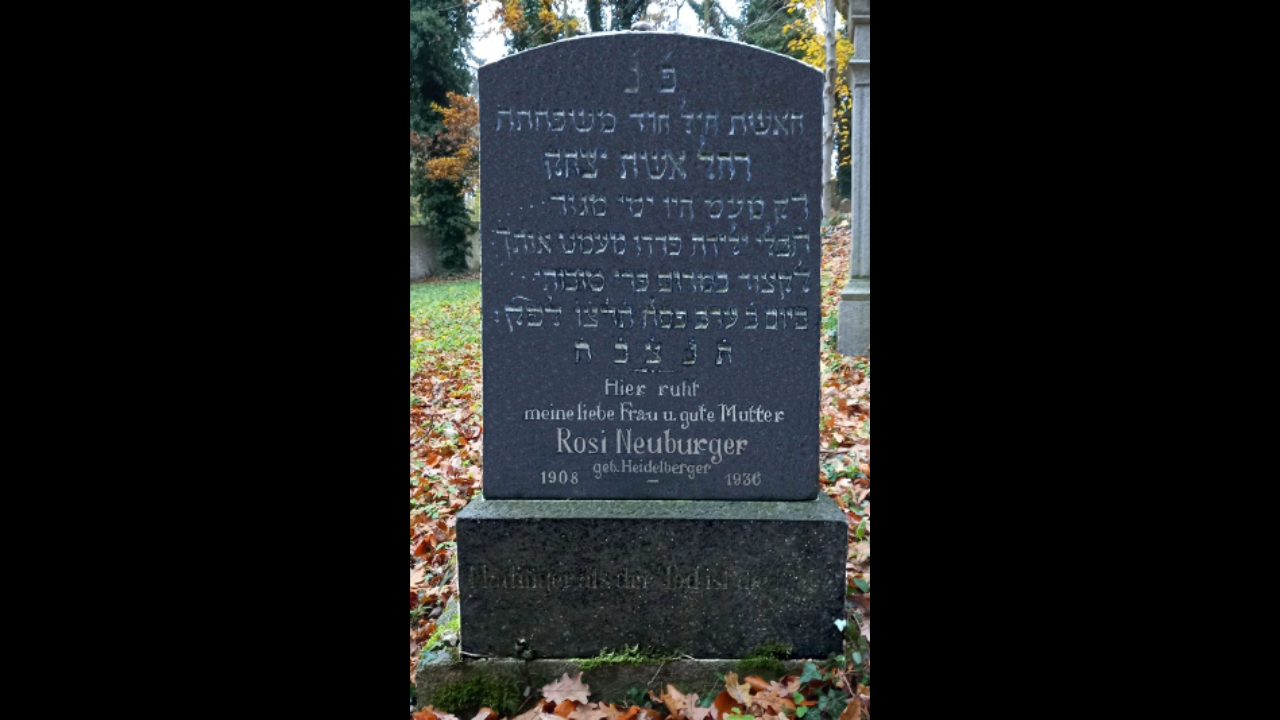
Rose Neuburger's gravestone in the Jewish cemetery at Binswangen. She died within days of giving birth after being denied the medical care she needed because she was Jewish, leaving behind her husband Julius and their newborn son.
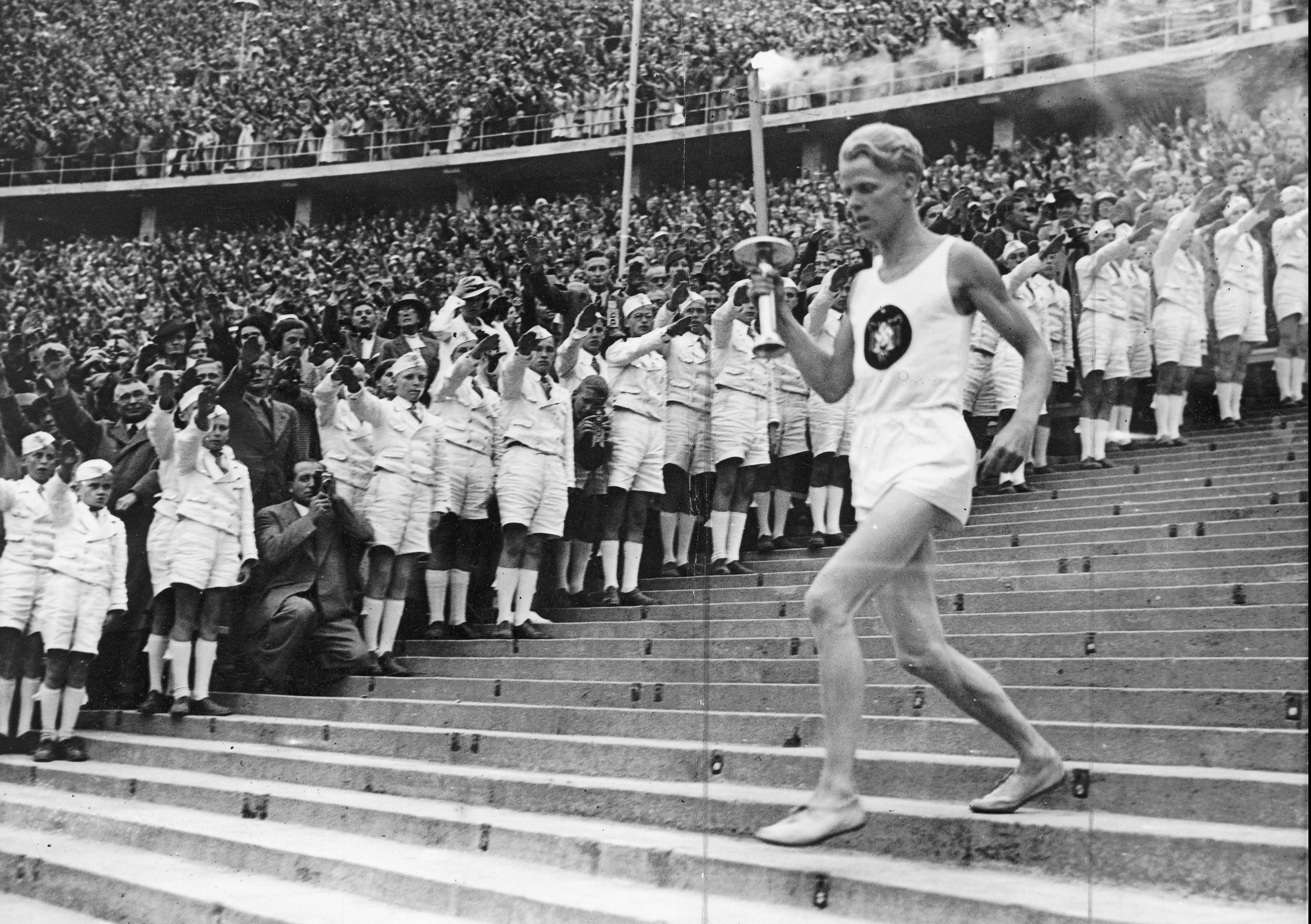
The 1936 Berlin Olympics projected an image of a peaceful and confident Germany, helping the Nazi regime gain international admiration while concealing both its growing persecution of Jews and Hitler's expanding ambitions.

HISTORY RECORDED HOW IT ENDED. THIS IS HOW IT BEGAN.

