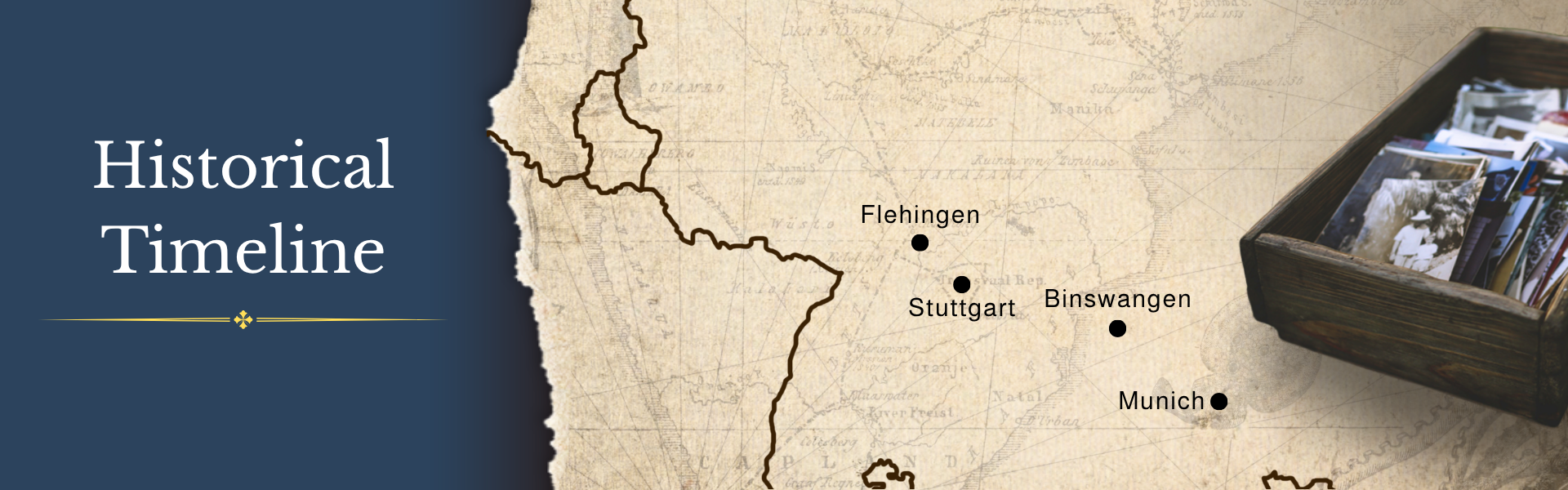
☞ Click any year to continue
The Turning Point

1930


Germany & The National Story
German democracy weakens as Chancellor Hermann Müller's government collapses, and Heinrich Brüning begins governing increasingly through emergency decrees.
The economic crisis deepens as unemployment rises and public confidence in Germany's democratic institutions rapidly erodes.
In September, the Nazi Party surges to become Germany's second-largest political party, transforming it from a fringe movement into a national political force.


The Neuburger Family

As livestock prices fall and customers increasingly avoid Jewish-owned businesses, the Neuburgers struggle over how to save the family business while preserving the values on which it was built.
Julius fears the farm may not survive and delays asking Rose to marry him, but after developing a bold plan to save the business, he and Max unite behind a difficult restructuring that forces them to dismiss longtime employees.
Financial hardship and growing antisemitism become increasingly intertwined. Resentment over the layoffs fuels anger toward the family business as former trusted workers turn openly hostile, longtime neighbors grow distant, and some Jewish families begin leaving Germany.

A Moment in Time
The economic crisis that began the previous year did more than damage Germany's economy—it transformed its politics. As unemployment and hardship spread, millions of Germans lost faith in traditional political leaders and looked instead to parties promising simple solutions to increasingly complex problems. By the end of 1930, the Nazi Party had become a major national force, while political extremism and antisemitism became increasingly visible in everyday life.
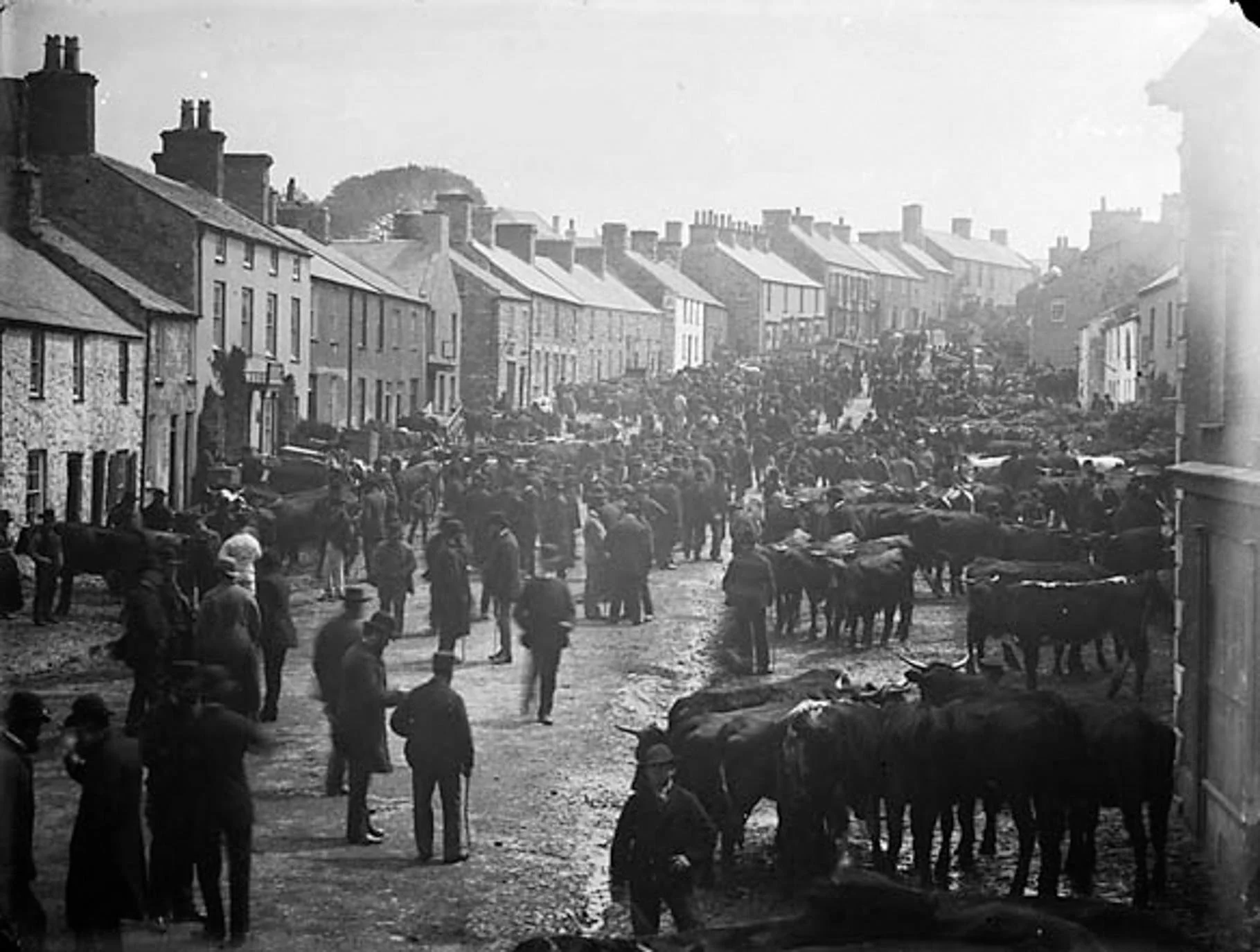
As the Depression deepened, livestock markets across rural Germany became increasingly difficult places to earn a living, prompting Julius and Max to unite behind a new strategy to preserve the family business.
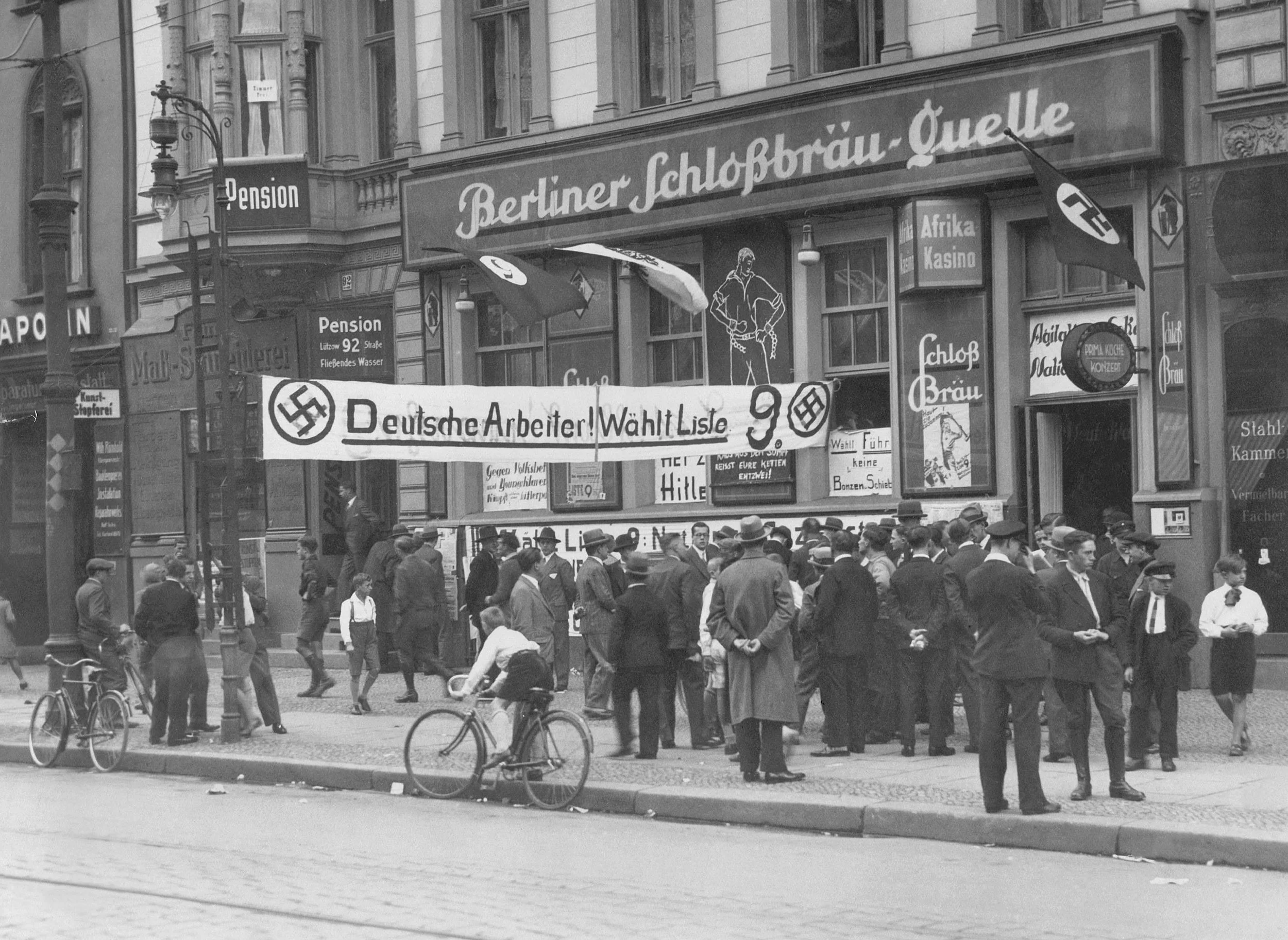
The 1930 Reichstag election transformed the Nazi Party from a fringe movement into a major political force as millions of frustrated voters abandoned traditional parties amid economic crisis.

HISTORY RECORDED HOW IT ENDED. THIS IS HOW IT BEGAN.

