☞ Click any year to continue


1929
Upheaval

Germany & The National Story
Fierce debates over reparations and economic policy expose growing weaknesses within the Weimar government.
Violent clashes between political extremists reveal increasing polarization as both communist and nationalist movements gain visibility.
The October stock market crash triggers a global economic crisis. Foreign investment dries up, unemployment approaches three million, and support for extremist movements grows.


The Neuburger Family

The worldwide economic downturn reaches Binswangen, placing new financial strain on the Neuburger family's business and many others across the region.
The worsening economy leaves Julius increasingly concerned about whether he can provide the secure future he hopes to build with Rose.
As economic uncertainty deepens and antisemitism becomes more visible, the family begins to wonder whether Germany's troubles are changing not only the economy, but the community around them.

A Moment in Time
By the end of 1929, the optimism that had slowly returned to Germany after years of hardship had largely disappeared. Political divisions grew sharper, violence became more common, and many citizens questioned whether their democratic government could solve the nation's problems. The death of Foreign Minister Gustav Stresemann, one of the Weimar Republic's most respected statesmen, symbolized the end of a more stable era. Just weeks later, the global economic crisis reached Germany, transforming existing tensions into a far more uncertain and dangerous future.
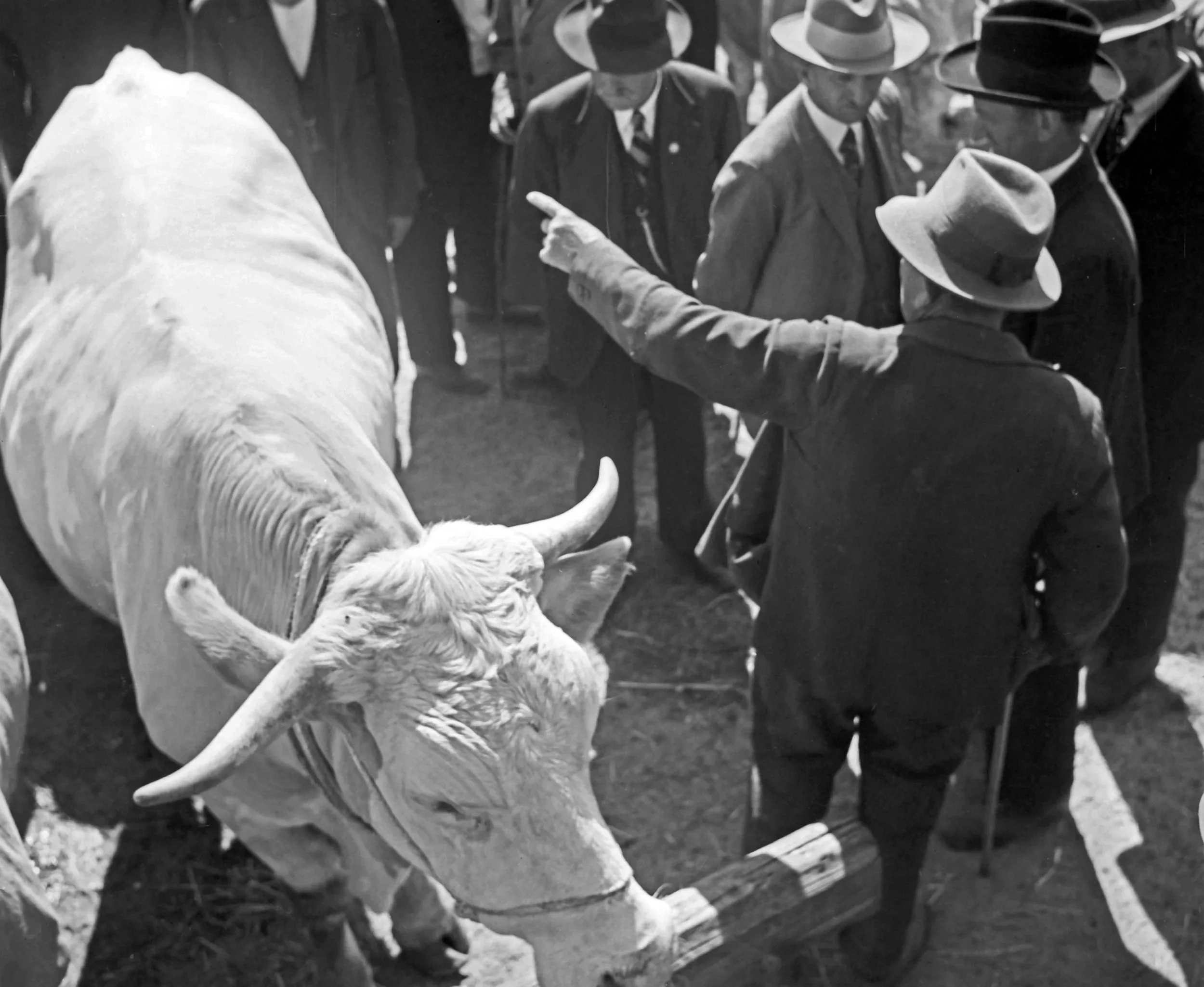
The livestock trade supported the Neuburger family, but the global economic crisis dealt another blow to small business owners across rural Germany.
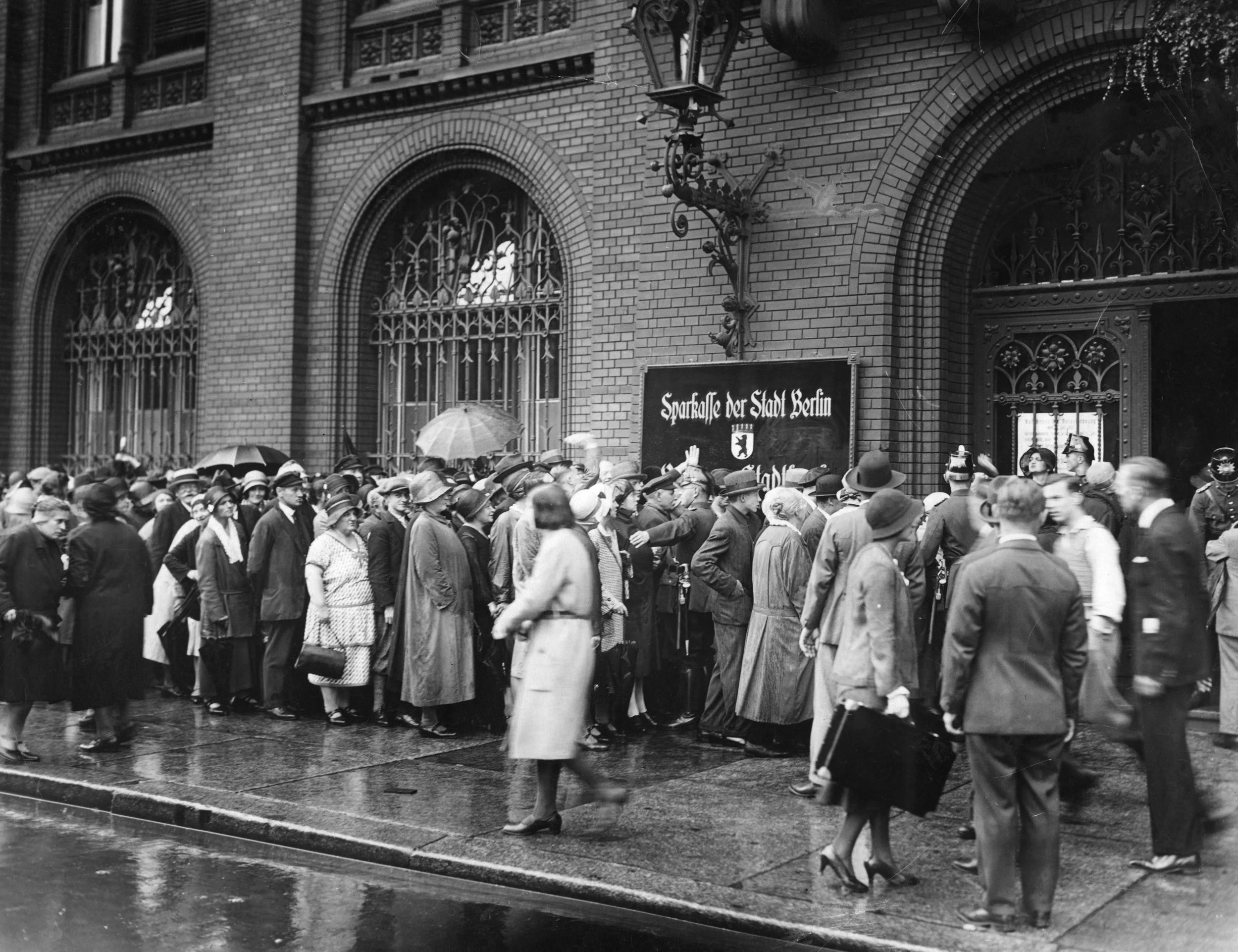
Crowds gathered outside Berlin banks as the global financial crisis gripped Germany, further eroding confidence in the Weimar Republic and creating fertile ground for extremist movements.

HISTORY RECORDED HOW IT ENDED. THIS IS HOW IT BEGAN.

