☞ Click any year to continue


1932
Democracy at the Breaking Point

Germany & The National Story
Germany’s economic crisis reaches its deepest point as close to 6 million people remain unemployed, intensifying desperation and distrust in the government.
Although Paul von Hindenburg is reelected president, Germany's political system grows increasingly unstable as three different chancellors serve during the year and governing shifts away from parliament.
Violence spreads through Germany as the SA and SS return to the streets. Although the Nazis lose seats in the November election, they remain the largest party, and President Hindenburg begins negotiations with Adolf Hitler over the formation of a new government.


The Neuburger Family

As Germany's political divisions deepened, conversations increasingly revolved around the National Socialists and the country's future. Neighbors repeated Nazi slogans blaming Jews for Germany's hardships, and relatives began making plans to emigrate before it was too late. Although the Neuburgers and Heidelbergers continued to worship, celebrate the Sabbath, and carry on with daily life, fear had quietly taken root.

A Moment in Time
Democracies are weakened not only through elections and political decisions but also through countless everyday conversations. By 1932, many Germans had grown accustomed to hearing hatred repeated in homes, workplaces, and public gatherings. What had once seemed shocking gradually became familiar, making it easier for ordinary citizens to accept ideas that would have been unthinkable only a few years earlier.
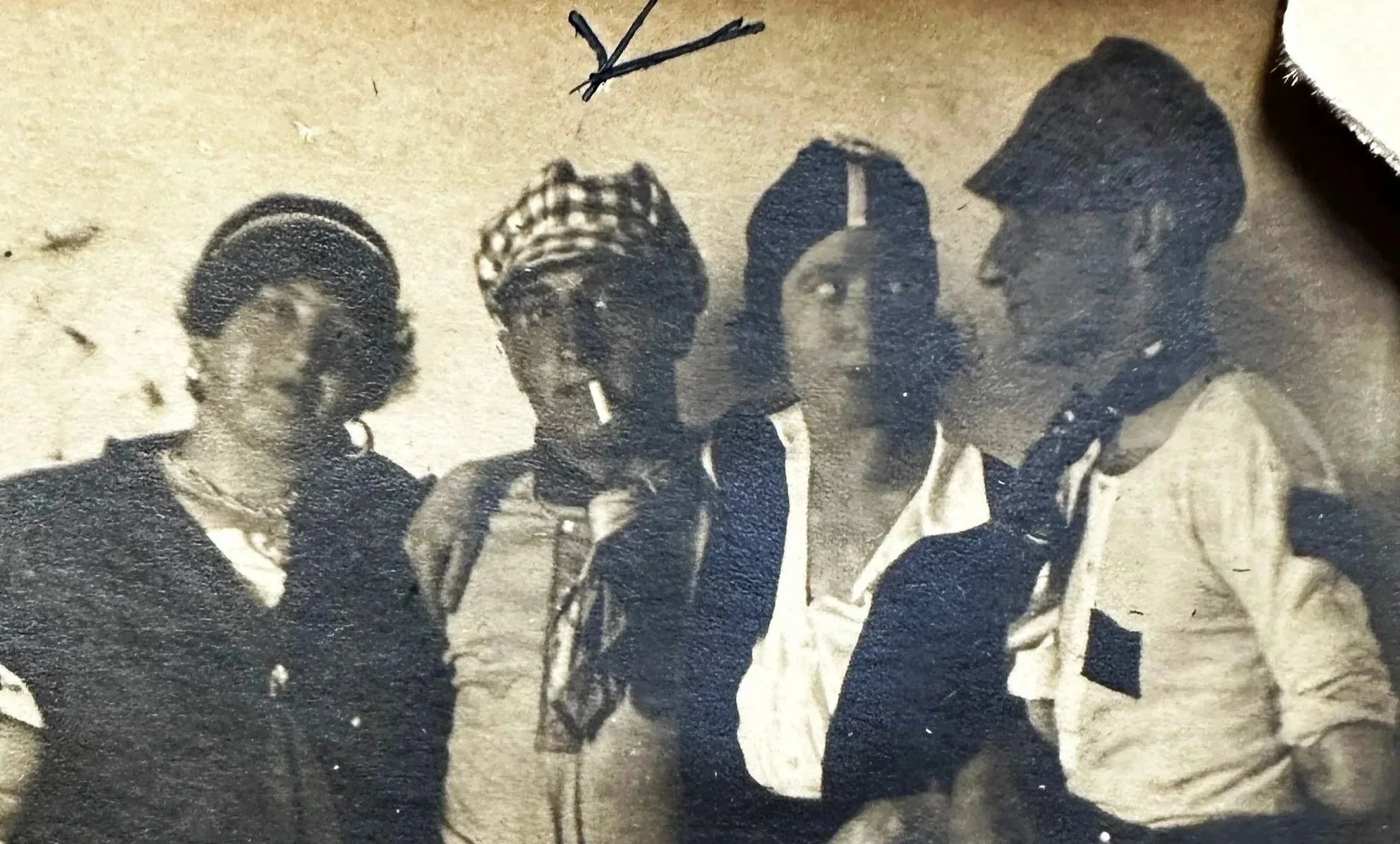
Julius (second from left) celebrating Purim with friends. Even as Germany changed, Jewish families continued to celebrate traditions that had sustained their communities for generations.
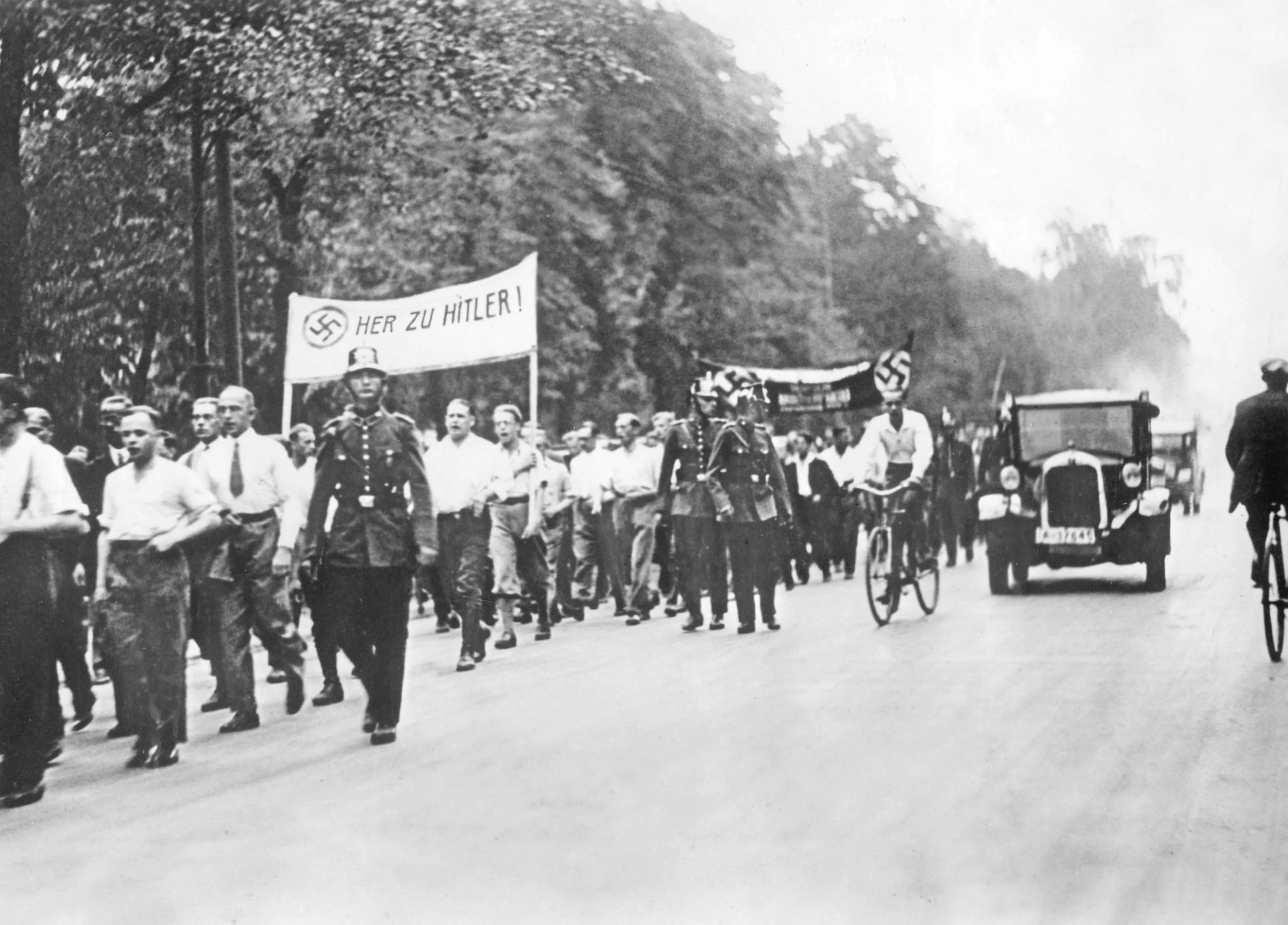
By 1932, Nazi rallies had become an increasingly familiar part of public life as support for the movement continued to grow across Germany.

HISTORY RECORDED HOW IT ENDED. THIS IS HOW IT BEGAN.

