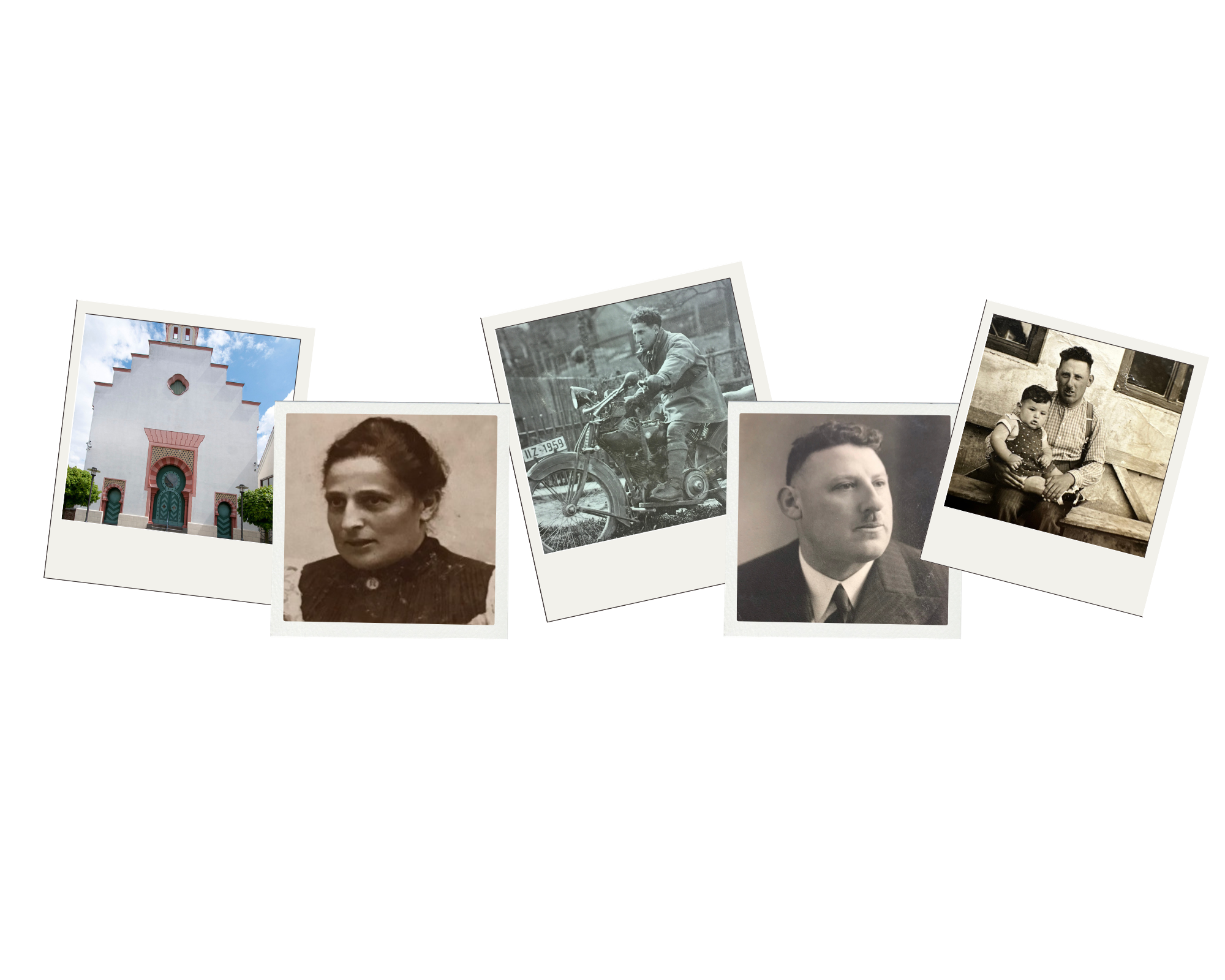
The Story
As Nazi Germany tightens its grip on a small Bavarian village, the Neuburger family finds itself confronting choices that become increasingly difficult—and increasingly dangerous.
Twin brothers Julius and Max Neuburger have always shared a deep bond, but they respond differently to the growing tide of antisemitism surrounding them. Julius, outspoken and unwilling to remain silent, struggles to accept the transformation of the country he loves. Max, more cautious by nature, focuses on protecting his family as restrictions multiply and opportunities disappear.
As trust within the community gives way to suspicion and neighbors begin informing on one another, longtime friendships are tested, and Jewish families find themselves increasingly isolated, the brothers are forced to navigate a world that no longer recognizes them as equals. Tragedy strikes close to home, leaving the family more vulnerable than ever and raising urgent questions about who can be trusted and where safety can still be found.
At the center of the story is a young boy whose future hangs in the balance. As conditions worsen and avenues of escape begin to close, family members and friends are confronted with impossible choices that will shape not only their own lives but the fate of future generations.
Inspired by the author's family history and grounded in extensive historical research, The Last to Leave brings to life the people, communities, and relationships that existed before they were swept into the machinery of Nazi persecution. Set against the backdrop of real historical events, the novel explores family, courage, identity, loss, and the moral choices ordinary people face when confronted by extraordinary circumstances.
Spanning the years leading up to World War II, The Last to Leave is a story of resilience, sacrifice, and the enduring power of hope in the face of uncertainty.
Meet the Characters
Inspired by real people, these are some of the family members whose lives form the emotional heart of The Last to Leave
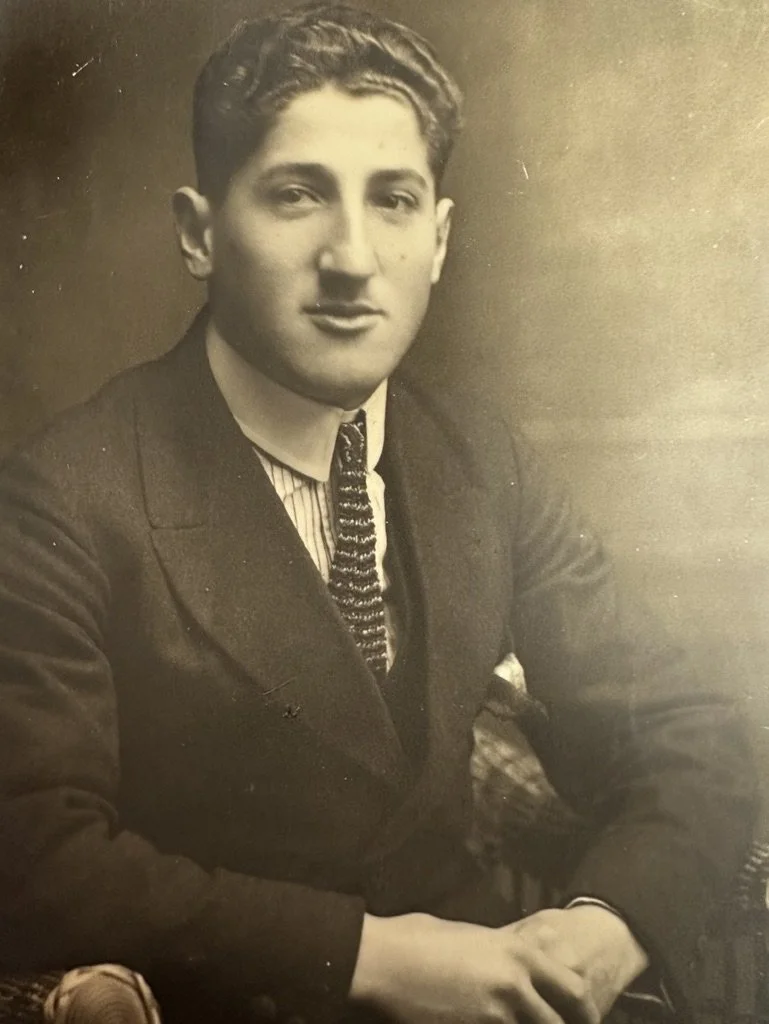
Julius
Julius believes his family belongs in Germany—and refuses to let hatred drive them from the home they love. While others begin to leave or retreat into silence, Julius openly challenges the growing influence of the Nazis, refusing to accept the betrayal of the country he loves. But with each passing year, he must confront the question that defines the novel: when is it finally time to leave?
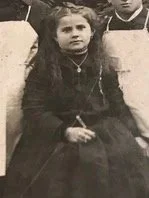
Selma
The sister of Julius and Max, Selma is among the first to recognize that the future she imagined in Germany may no longer exist. Her journey reveals the heartbreak of leaving home behind—and the courage it takes to act before history leaves no choice at all.
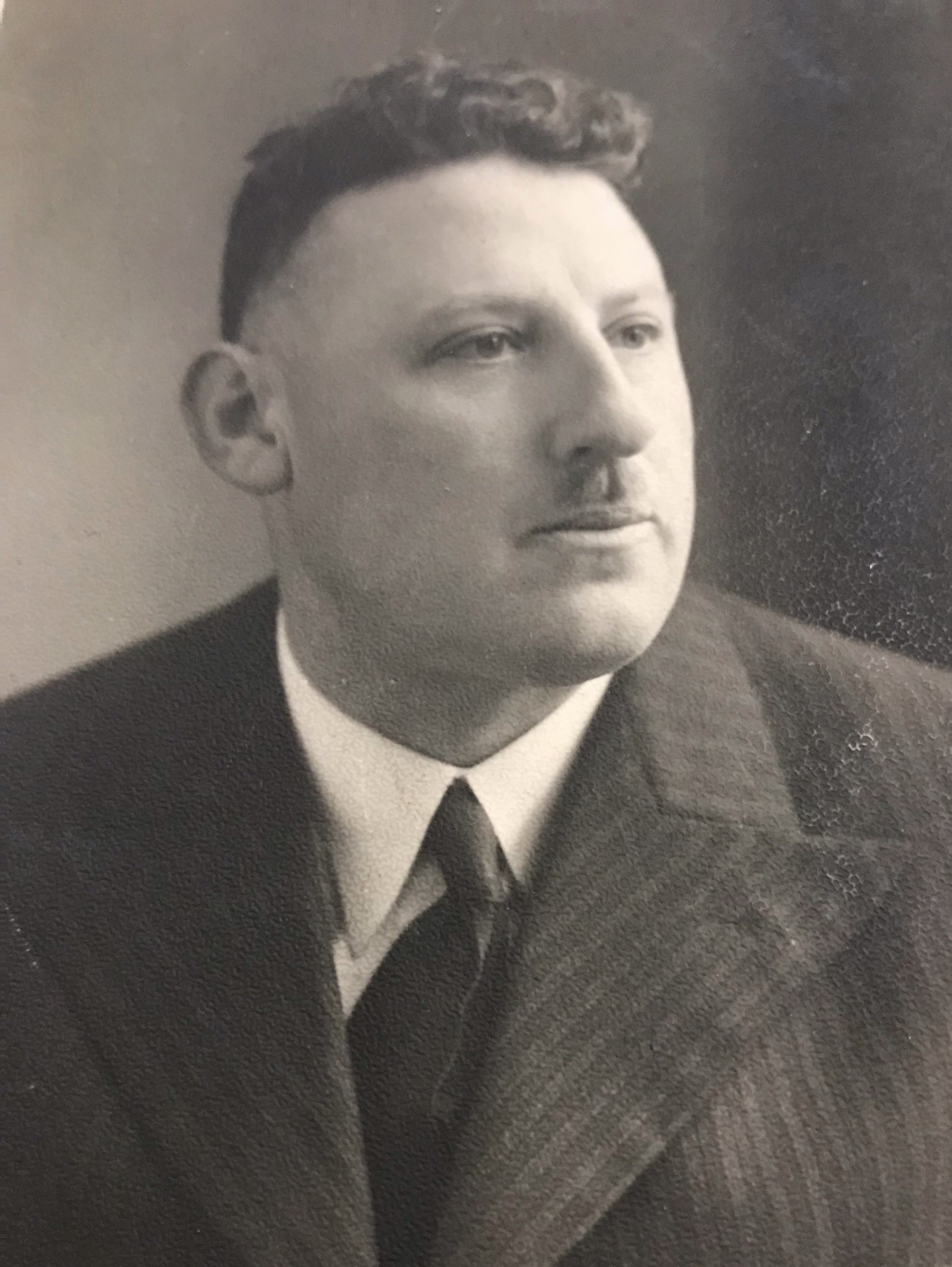
Max
Though bound to Julius by birth and by love, Max comes to a different conclusion about the future. As the danger grows, his determination to protect young Werner leads him down a different path, revealing that survival often depends not only on courage, but on how we judge risk, hope, and the unknown.
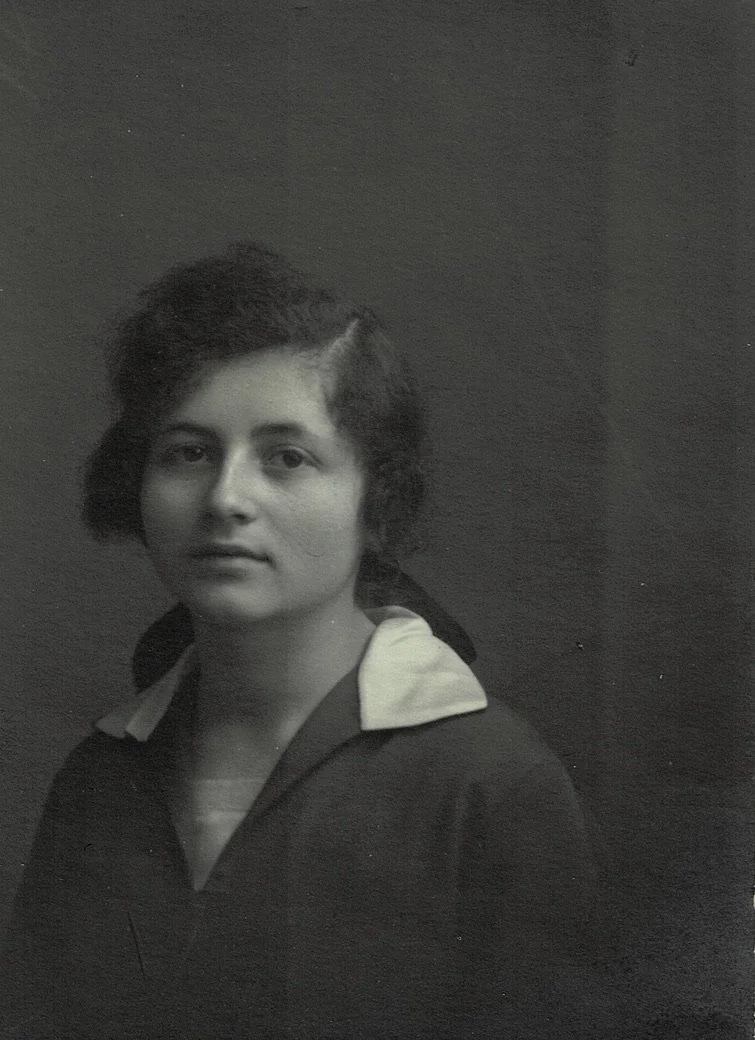
Rose
Julius's wife and Werner's mother, Rose dreams of building a future with the family she loves. Her brief presence shapes the lives of those left behind and becomes one of the novel's most enduring sources of hope and loss.
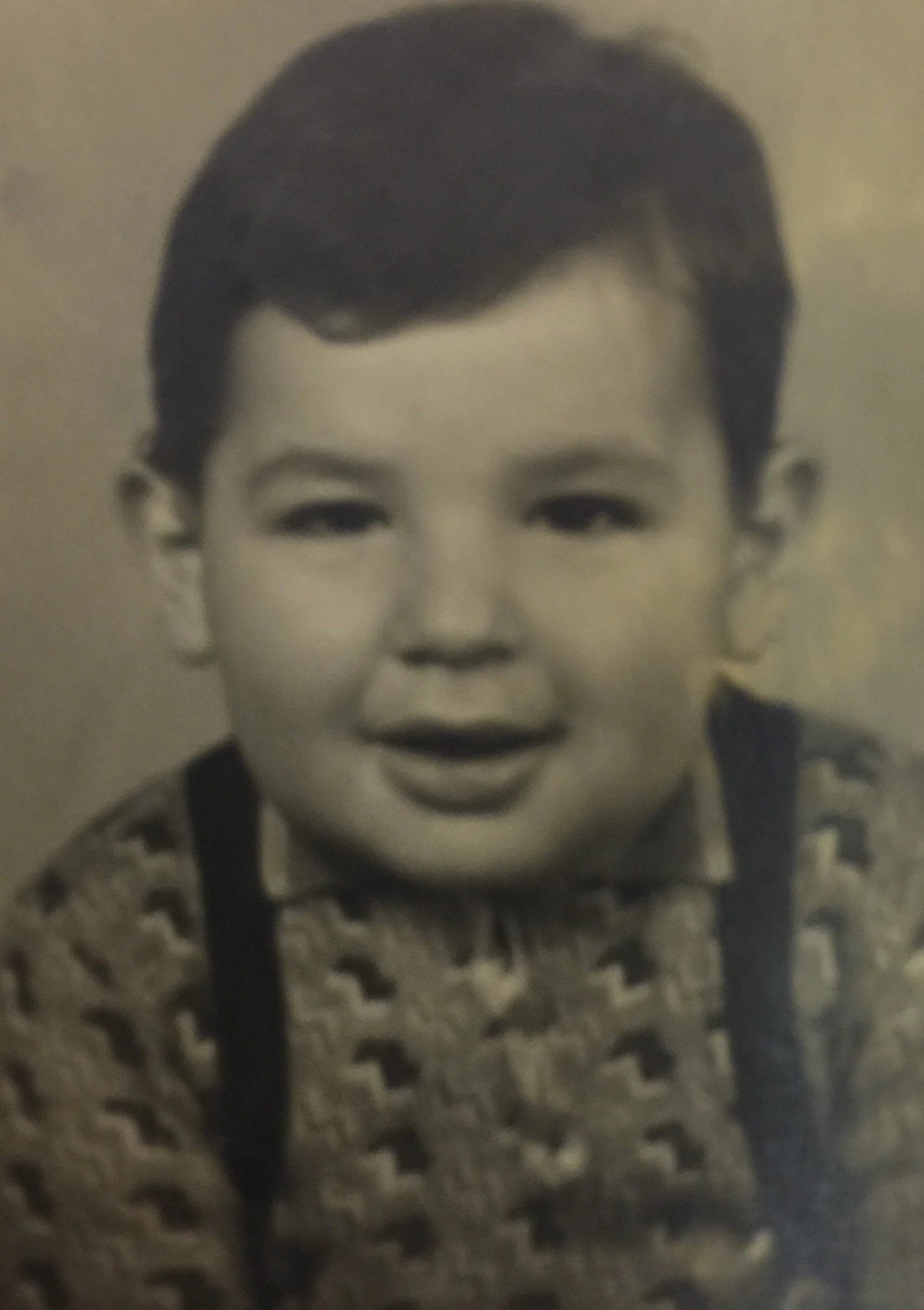
Werner
Born into a world he is too young to understand, Werner becomes the heart of his family's fight for survival. His future rests not in his own hands, but in the choices and sacrifices of family, friends, and strangers alike. Werner comes to represent everything his family is struggling to preserve: hope, continuity, and the possibility of a future beyond hatred.
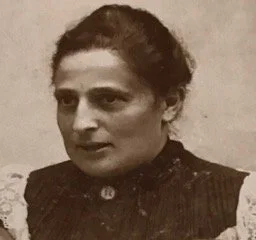
Marie
The matriarch of the Neuburger family, Marie is the steady presence who holds her family together through uncertainty and heartbreak. Her quiet strength becomes an anchor as the world she has always known begins to unravel.
Inspired by a true story
The Last to Leave is inspired by the author's family history and is grounded in years of historical research.
What began as an effort to better understand the experiences of relatives who lived through Nazi Germany gradually evolved into a much larger journey of discovery. Drawing on family records, personal correspondence, archival documents, photographs, survivor testimony, and historical sources, the author reconstructed the world in which these events unfolded and the people whose lives were forever changed by them.
Many of the individuals portrayed in the novel were real people. The major historical events, settings, and timeline are based on documented history. To bring the story to life, dialogue and certain scenes have been recreated where the historical record was incomplete, allowing the novel to explore not only what happened, but also the human emotions, relationships, and choices that accompanied those events.
While The Last to Leave is a work of historical fiction, it is rooted in the experiences of a real family whose story might otherwise have been lost to history.
Why this story matters today
Although The Last to Leave is set in Germany during the 1930s, the questions it raises are not confined to a particular place or time.
History is often remembered through major events, political leaders, and sweeping movements. Yet history is ultimately shaped by the choices of ordinary people—neighbors, friends, community leaders, parents, and bystanders.
The characters in this novel confront questions that remain relevant today:
How do prejudice and intolerance become normalized?
What responsibilities do individuals have when others are targeted or marginalized?
When does silence become a form of complicity?
What are we willing to risk to protect those we love?
What do ordinary people do when every choice comes with a cost?
While the events depicted in The Last to Leave occurred nearly a century ago, the human challenges at the heart of the story remain universal. The novel is ultimately about family, moral choice, resilience, and the consequences of the decisions people make when confronted by fear, uncertainty, and injustice.
By remembering the experiences of those who lived through these events, we gain a deeper understanding not only of the past, but of ourselves.
Family
At its heart, The Last to Leave is a story about family—the bonds that sustain us, the sacrifices we make for those we love, and the ways family connections endure even in the face of unimaginable loss.
Themes explored in The Last to Leave
Antisemitism and the Power of Hate
The story traces how prejudice can evolve from rhetoric and social exclusion into discrimination, persecution, and violence. It illustrates how hatred often grows gradually, becoming normalized long before its full consequences are recognized.
Identity
As Nazi policies increasingly define individuals by race and religion, the characters must confront difficult questions about belonging, faith, community, and what it means to remain true to oneself when the world demands conformity.
Moral Choice
At what point do you leave the home you love? How much risk is too much? Will tomorrow be better—or worse? When do you speak up—and when does silence become complicity? The Last to Leave explores how ordinary families confront impossible choices when the future is unknowable, and every path carries consequences.
Courage
Courage in The Last to Leave is rarely dramatic. It is found in quiet acts of compassion, difficult sacrifices, and the willingness to protect others despite overwhelming risk. The novel asks what true courage looks like when fear becomes part of everyday life.
Speaking Up
When prejudice becomes normalized, silence can have consequences. The Last to Leave explores the responsibility individuals bear when others are targeted because of who they are—and the difference a single voice can make.