About Dan Neuburger
I never set out to become an author.
What began as an effort to better understand my father's childhood and preserve my family's history gradually became something much larger. As I uncovered forgotten records, letters, photographs, and survivor accounts, the people I was researching stopped feeling like names on a family tree. They became real people whose lives, dreams, and futures had been forever altered by hatred.
That journey became The Last to Leave.
Today, my mission extends beyond preserving my family's story. Through historical fiction and public speaking, I hope to help readers recognize how prejudice becomes normalized, appreciate the extraordinary impact ordinary people can have through their choices, and inspire conversations that challenge hatred before history has the chance to repeat itself.
Before becoming what I often describe as an "accidental author," I spent four decades as a CEO, board director, and business leader, helping organizations navigate change and difficult decisions. Today, I bring that same perspective on leadership, ethics, and moral choice to a very different stage—using storytelling to explore the consequences of silence, courage, and the choices ordinary people make when history demands extraordinary resolve.

Former CEO • Board Director • Author • Speaker
The Journey Behind the Story
Like many descendants of Holocaust survivors, I grew up knowing fragments of my family's story but not the full picture. I knew that many of my father's relatives in Germany had perished during the Holocaust. I knew that my father had experienced hardship and loss as a child. Beyond that, much of the story remained untold.
After my father's death, I inherited the family research he had begun years earlier. What started as a simple effort to organize documents and better understand my family's history quickly became something much larger. As I explored archives, photographs, letters, immigration records, newspaper accounts, and historical documents, forgotten people began to emerge from the shadows. Each discovery raised new questions and revealed new connections.
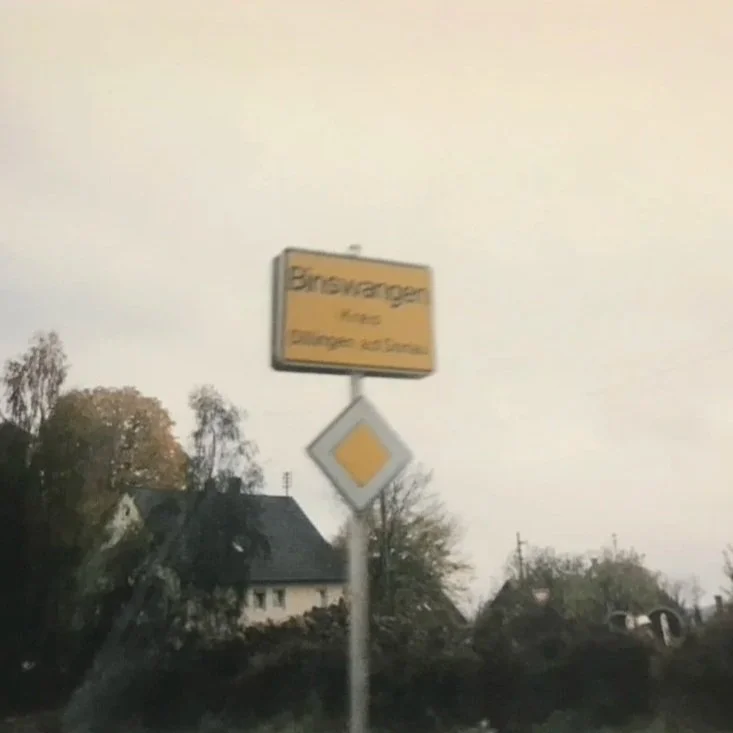
Over time, I realized I was uncovering more than genealogy. I was rediscovering lives. The individuals whose names appeared on family trees and official records were no longer distant relatives. They became real people with hopes, fears, relationships, dreams, and difficult choices. The deeper I dug, the more determined I became to ensure that their stories would not be lost.
What began as family research eventually became The Last to Leave and a mission to preserve memory through storytelling.
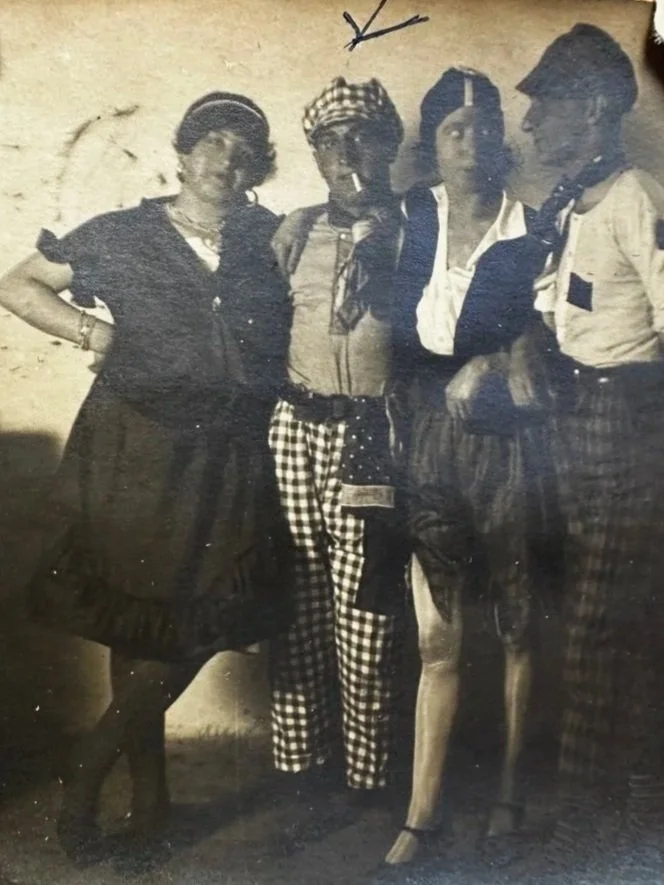
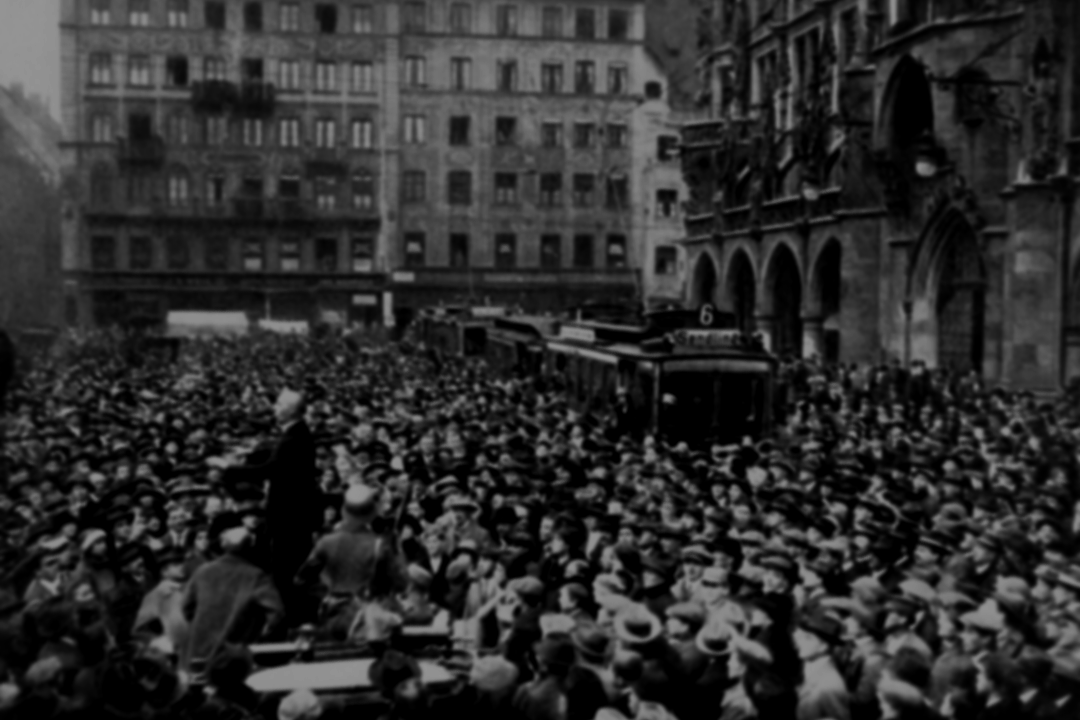
Why Writing This Book
Became Important to Me
Once I decided to tell the story as a novel, I assumed the challenge would be historical—understanding what happened and recreating the world my relatives inhabited. Instead, the project became unexpectedly personal.
Like many descendants of Holocaust survivors, I knew only fragments of my family story. Much of what my father and his relatives had experienced was never discussed in detail, and I realized that if I didn't make an effort to understand and preserve those stories, they might disappear altogether. My children knew even less than I did. The older I get, the more I appreciate how easily family history can fade away if someone doesn't take the time to preserve it.
As my research progressed, however, the project became about much more than genealogy. The people I was researching stopped feeling like names on a family tree and began to feel like real individuals whose lives had been interrupted by extraordinary events. I found myself wondering what I would have done if I had been in their position. Would I have recognized the danger? Would I have spoken up? Would I have had the courage to resist, or would I have convinced myself that things could not possibly get worse?
As I immersed myself in the broader history of Nazi Germany, I was struck by how gradually prejudice became normalized and how many people dismissed early warning signs. What alarmed me most was not how different that world felt from our own, but how familiar some of the patterns seemed.
That realization transformed this project yet again. I came to believe that one of the most important lessons of history is that hatred must be challenged early, consistently, and regardless of who its targets happen to be. Silence often feels safer in the moment, but history repeatedly shows the cost of looking away.
At some point, I realized I was no longer simply researching my family's history. I had become responsible for telling their story.
While The Last to Leave is rooted in my family's story, the questions it raises extend far beyond one family or one period in history. Ultimately, I wrote this book not only to preserve the memory of those who came before us, but to encourage readers to recognize how prejudice takes root, to understand the consequences of silence, and to appreciate the extraordinary impact ordinary people can have when they choose to act.